
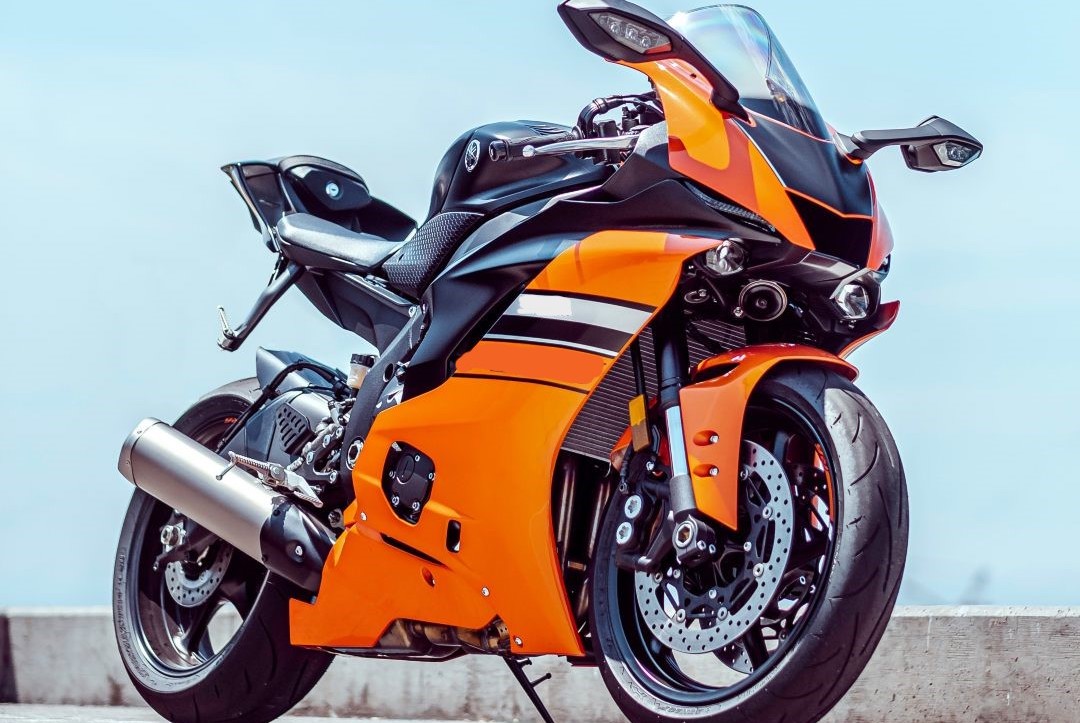
Motocycle
Present and future of composite materials in motorcycling.
Composite materials have taken on an increasingly important role in the motorcycle sector, offering numerous advantages compared to traditional metallic materials. These innovative materials, such as carbon fiber and glass fiber, are widely used in the production of several key components of motorcycles.
One of the main applications of composite materials in motorcycling concerns the frame. Due to their high strength and low weight, carbon fiber frames offer greater structural rigidity and a significant reduction in overall vehicle weight. This translates into better handling, acceleration and stability, fundamental characteristics for the performance of a road or racing motorcycle.
Additionally, composite materials are used to make fairings, fuel tanks and fenders. These components, made of carbon fiber or glass fibre, have greater resistance to impacts and abrasions than traditional materials, offering more effective protection for the motorcyclist and better aerodynamics for the motorbike.
Another area of application of composite materials in motorcycling concerns wheel rims. Thanks to their lightness and resistance, the carbon fiber rims help reduce unsprung mass, improving the handling and response of the motorcycle during acceleration, braking and direction changes.
The use of composite materials in the motorcycle sector offers numerous advantages, including:
• reduction of the overall weight of the vehicle, improving performance and efficiency
• greater structural rigidity and impact resistance for key components such as the chassis and fairings
• better aerodynamics and protection for the motorcyclist
• reduction of unsprung mass, with benefits on the handling and response of the motorbike
Thanks to these characteristics, the use of composite materials in motorcycling continues to grow, allowing manufacturers to develop increasingly lighter, higher-performance and safer motorcycles.

