

Carbon Fiber: Properties, Uses, and Advantages of a Revolutionary Material
In today's rapidly evolving world, companies are constantly searching for innovative materials that can offer a competitive advantage.
Carbon fiber emerges as a revolutionary solution, a material that not only redefines the limits of lightness and strength but also opens new frontiers for design and efficiency.
What is Carbon?
Carbon is a fundamental element in organic chemistry, known for its versatility and ability to form a wide range of compounds.
Carbon fiber is a composite material with exceptional properties, making it ideal for a wide range of applications. Lightweight, strong, and versatile, carbon fiber is revolutionizing sectors such as aerospace, automotive, sports, and construction.
Now, imagine being able to create products:
- lighter than competitors: reducing weight increases energy efficiency and improves performance.
- stronger than steel: ensuring durability and reliability in extreme conditions.
- designed with unprecedented freedom: the versatility of carbon fiber allows for the creation of complex shapes and innovative designs.



Advantages of Carbon Fiber
What are the advantages that can benefit your products and your company?
- Optimized Efficiency: weight reduction translates into lower energy consumption, essential for a sustainable future.
- Superior Performance: the strength and stiffness of carbon fiber elevate product performance to unimaginable levels.
- Unmatched Durability: resistance to corrosion and weathering ensures a long service life, reducing maintenance costs.
- Innovation and Design: the ability to create complex shapes opens new avenues for design, allowing you to stand out in the market.
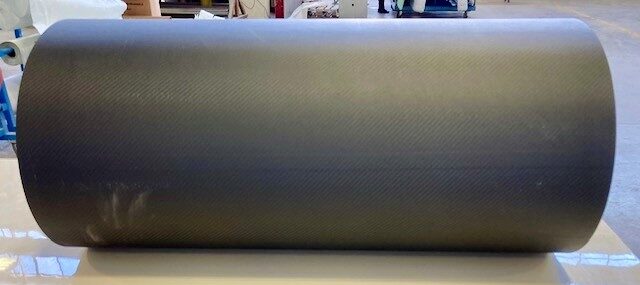
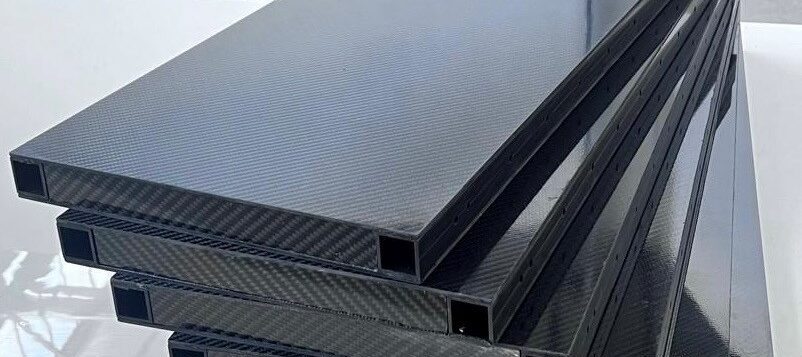
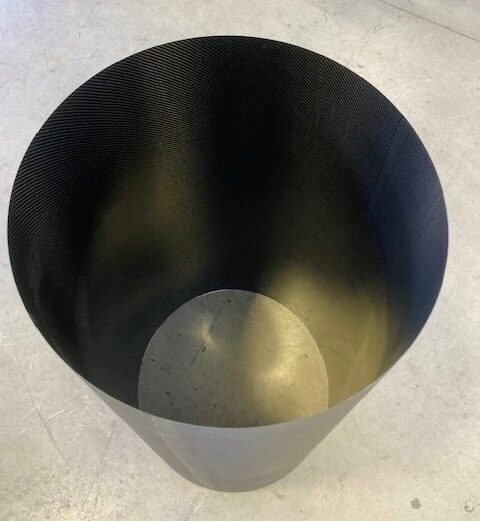
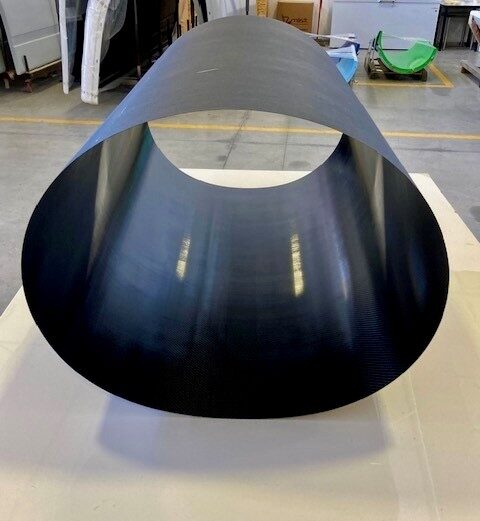
Application Sectors of Carbon Fiber
The markets interested in using carbon fiber are countless.
Some examples include:
- Aeronautics and Space: airplanes, helicopters, rockets, satellites, spacecraft parts.
- Automotive: body parts, frames, suspensions, engines.
- Sports: sports equipment, such as tennis rackets, golf clubs, bicycles, surfboards, baseball bats, motorcycle helmets.
- Medicine: prostheses, surgical instruments, medical device components.
- Civil Engineering: bridges, buildings, structures.
- Furniture, musical instruments, sunglasses, fashion accessories.


