
Nautics and aeronautics
Composite materials in nautical and aeronautics: towards horizons of lightness, resistance and innovation.
In the fascinating panorama of boating and aeronautics, composite materials are taking on an increasingly central role, paving the way for new frontiers of design, performance and safety. These revolutionary materials, born from the synergy between reinforcing fibers (such as carbon fibre, glass fiber or Kevlar) and polymeric matrices, offer a unique combination of lightness, resistance and versatility, which makes them ideal for the creation of various components of boats, ships and aircraft.
Applications of composite materials in nautical and aeronautics The applications of composite materials in these sectors are multiple and concern different parts of the vehicle. In the nautical sector:
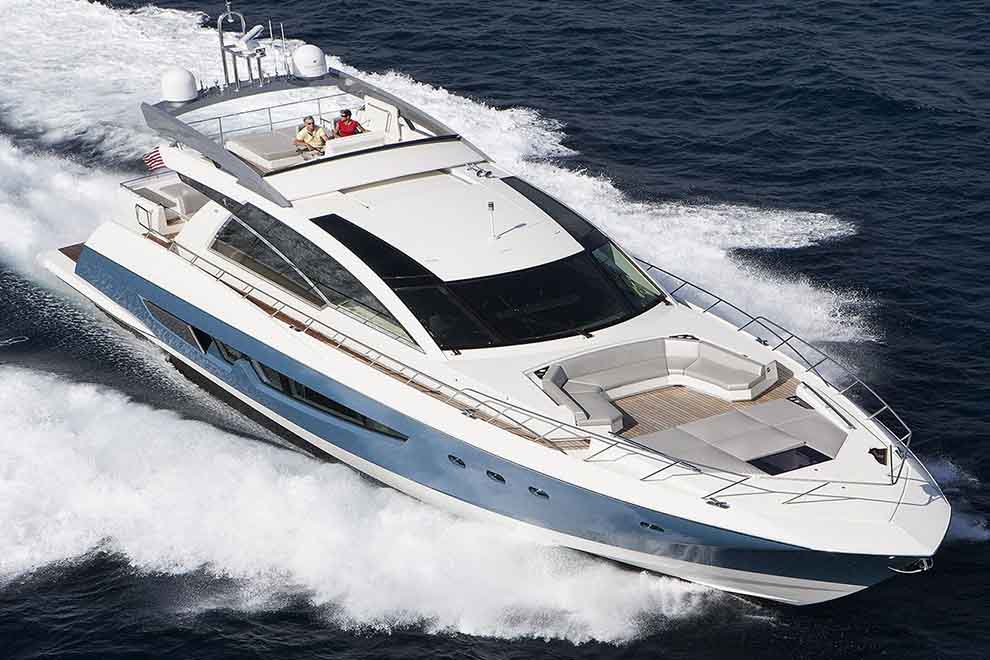
• Hulls and decks: the lightness of composites allows optimization of displacements, improving nautical performance, fuel efficiency and stability during navigation. Furthermore, their resistance to corrosion and marine agents guarantees greater durability over time.
• Structural components: rigging, masts, booms and other structural elements can be made of composites to increase the rigidity and strength of the boat, improving handling and safety in adverse marine weather conditions.
• On-board equipment: deck components, winches, gangways and other elements can be made of composites to combine lightness, strength and resistance to atmospheric agents.
In aeronautics:
• Fuselages, wings and structural components: the use of composites allows the overall weight of the aircraft to be reduced, with a consequent improvement in aerodynamic performance, fuel efficiency and flight autonomy. Furthermore, their resistance to impacts and mechanical stress guarantees greater safety in flight.
• Internal components: interior panels, seats, fairings and other elements can be made of composites to offer customizable, lightweight, resistant and comfortable solutions.
• Engines and aerostructural components: composites are also used in the production of aeronautical engine components, thanks to their ability to resist high temperatures and high mechanical stresses. Advantages of composite materials in nautical and aeronautics. The use of composite materials in boating and aeronautics offers a number of tangible advantages:
• Weight reduction: composites are generally lighter than traditional materials such as steel and aluminium, which translates into lower weight overall vehicle. This leads to improved performance, efficiency and safety.
• Increased strength: Composites can be designed to offer high mechanical strength, superior to that of traditional materials. This makes them ideal for applications where resistance to impact, corrosion and other aggressive agents is essential.
• Greater design freedom: Composites can be molded into complex, custom shapes, giving designers greater design freedom than traditional materials. This allows you to create innovative and optimized solutions for specific needs.
• Improved performance: the combination of lightness, resistance and versatility of composites can lead to an overall improvement in the performance of the vehicle, in terms of speed, handling, stability, safety and comfort.
Evocompositi offers composite solutions for nautical and aeronautical challenges for companies wishing to fully exploit the benefits of this innovative technology. With a team of highly qualified engineers and technicians, Evocompositi offers customized, high-performance solutions, perfectly in line with the specific needs of each customer.

